
The Ancient Heritage of Prachi Valley Neglected by Government and Tourists Alike
Kakatpur: Every year on April 18, World Heritage Day is celebrated. This year too, the day has been observed with much enthusiasm at various locations across the state. However, the centuries-old heritage nestled in the Prachi River valley remains largely ignored by the government and tourists alike. This stark neglect suggests that celebrating World Heritage Day may have become more of a symbolic gesture than a genuine preservation effort.
According to researcher Dr. Radhacharan Panda in his book on the historical richness of the Prachi River, this ancient river was once a major tributary of the Mahanadi. Until the 17th century, the Prachi River had a significant water flow. Due to this, it served as the main route of communication for the people of the undivided Cuttack, Puri, and Khordha districts. Consequently, human settlements sprang up on both sides of the river, along with the establishment of various monasteries, temples, ashrams, and Buddhist viharas.
During those times, Odia artisans were renowned for their expertise in crafting exquisite sculptures and temples with intricate designs. From the pre-Christian era to the 17th century, hundreds of heritage structures were built in the Prachi valley, as documented by historian Shyamsundar Tripathy in his research work.
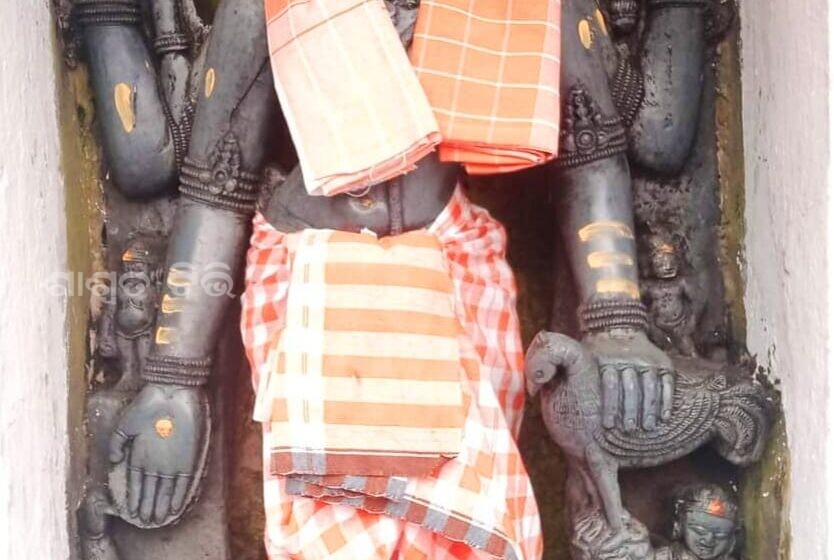
The valley is home to sacred places like the Dwadasha Shambhu (Twelve Shiva shrines), Dwadasha Madhava (Twelve Vishnu shrines), and Dwadasha Shakti Peeths. Additionally, the region features multiple sites of worship belonging to Buddhist, Jain, Vaishnav, and Islamic faiths, including monasteries and prayer centers.
Prachi researcher Pandit Trilochan Mishra has described the ancient heritage and glories of the Prachi Valley as a living testimony to Odisha’s rich and vibrant history. There is a growing demand for preparing an informative booklet on the cultural heritage of the valley and officially declaring the region as a spiritual tourism circuit.