
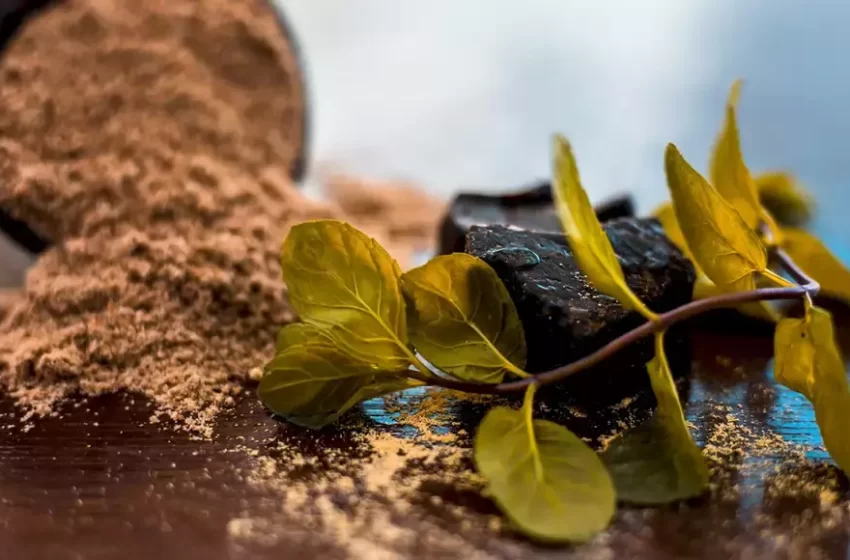
Why Is Hing (Asafoetida) So Expensive? Do You Know How It’s Made?
New Delhi, 15.02: We are all quite familiar with the taste, aroma, and benefits of hing (asafoetida). Even a small pinch of it in any dish brings out a unique flavor. Due to limited supply compared to its high demand, it is sold at high prices in the country. This is why people often buy it in small containers and feel fortunate to have it. But do you know how hing is actually produced?
Very few people around the world know the process of making hing. To begin with, hing is derived from a plant—not from its leaves or stems, but from its roots. The gum or resin is extracted by tapping the root of the plant after pulling it out from the soil. That resin then undergoes several stages of processing to finally become the powdered form that we use in cooking. Its distinct aroma greatly enhances the flavor of food.
In India, hing is cultivated in Rajasthan. However, its production is extremely limited compared to its demand—almost negligible. Because of this, India imports hing from other countries. Import duties and low domestic supply make it significantly more expensive.